Reading list
Eastern Wisdom Books for Kids: A Reading List by Age
An age-organized reading path through Hindu, Buddhist, Daoist, and Confucian children's books — from ages 3 to 12. The shelf to build out over a childhood.
This is the list to consult if you are starting from scratch and want to build a real Eastern-wisdom shelf for a child over the course of their childhood, rather than buying a single book for a single occasion. The books are ordered youngest-to-oldest — Each Breath a Smile is right for a 3-year-old at bedtime; Where the Mountain Meets the Moon is the chapter-book gift for a 9-year-old who has read most of the rest. Buy one or two at a time as the child grows.
The list crosses traditions deliberately. A 5-year-old can sit with the Daoist sensibility of The Empty Pot one week and the Buddhist sensibility of Zen Shorts the next without needing the difference explained — both books trust children with parable, both reward stillness, both end on a quiet exhale. The traditions become more visible as the child gets older: The Gita for Children is unambiguously Hindu, Confucius: The Golden Rule is unambiguously Confucian, Ramayana: Divine Loophole is unambiguously a religious epic. By the time those books land, the child has already met the tonal vocabulary of Eastern wisdom in books that didn’t insist on naming themselves.
A note for parents new to this material yourselves: every book on this list rewards adult reading, and we’d quietly recommend reading each one aloud at least once before passing it on. Picture books are short. The whole shelf takes a long evening to read through. You will recognize, by the end, why curious adults keep returning to these traditions — it’s mostly the same reason children do.
- 1
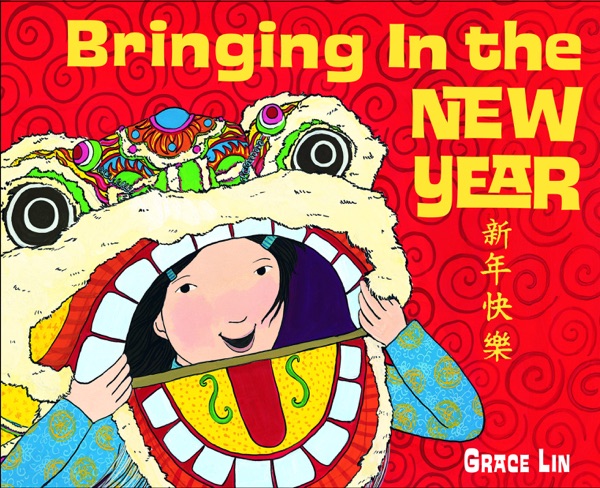
Bringing in the New Year
Grace Lin's bright picture book of a Chinese-American family preparing for and celebrating Chinese New Year — cleaning the house, hanging decorations, the family dinner, the lion dance, the firecrackers. The contemporary lived-experience companion to The Great Race.
- 2
Each Breath a Smile
A small, soft introduction to mindful breathing for very young children, written by Thich Nhat Hanh and adapted from a verse he often taught at his Plum Village retreats. The first Buddhist practice book most American children encounter.
- 3
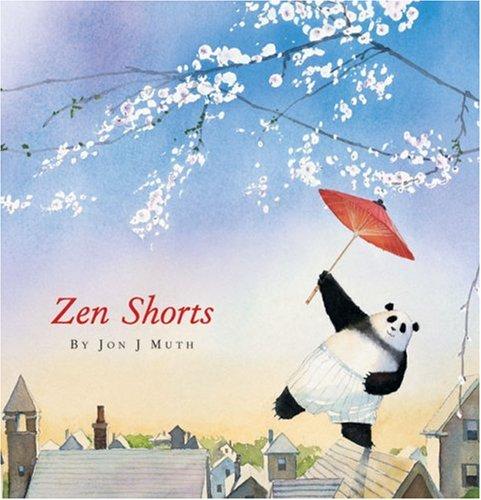
Zen Shorts
A giant panda named Stillwater arrives in three siblings' garden and tells each of them a Zen story drawn from the Buddhist and Daoist tradition. Watercolour illustrations of unusual delicacy. Caldecott Honor.
- 4
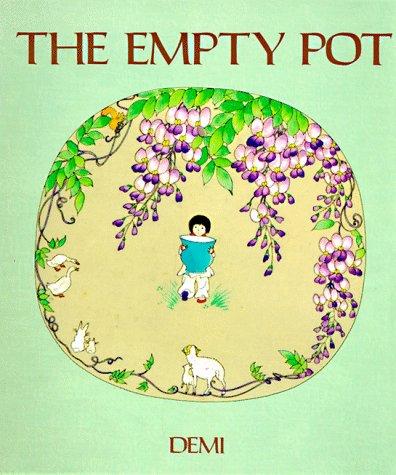
The Empty Pot
A traditional Chinese folktale, retold and illustrated by Demi in luminous gold and pastel. An aging emperor announces he will choose his successor by giving each child in the kingdom a single seed and asking them to bring back what they have grown in a year. Ping plants his and waters it faithfully, but nothing comes up. The story turns on what he does next.
- 5
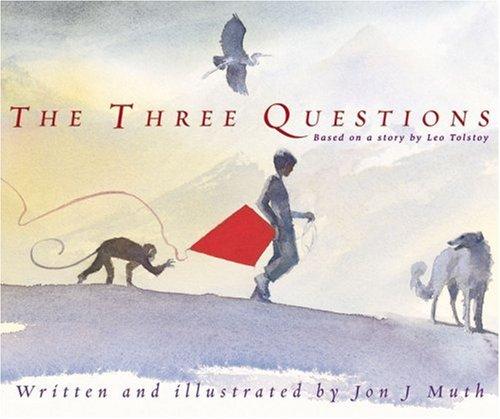
The Three Questions
A young boy named Nikolai is trying to answer three questions — when is the right time to do things, who is the most important person, and what is the right thing to do. His friends each give him an answer. Then a wounded panda named Leo enters the story, and Nikolai discovers the answers by living them. Based on a Tolstoy parable, rendered with a Zen sensibility.
- 6
Ganesha's Sweet Tooth
A bright, playful picture-book origin story for Ganesha's broken tusk, from the team behind Ramayana — Divine Loophole. Same neon-pop palette, scaled down to a single tale with one shining laddoo at its centre.
- 7
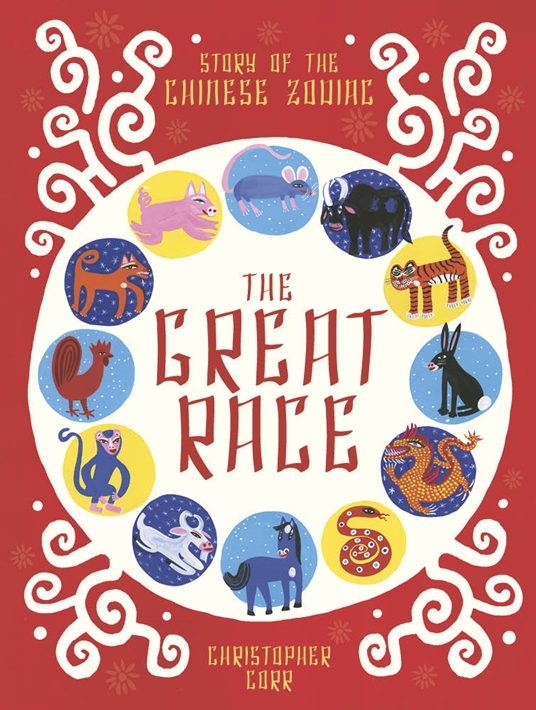
The Great Race: The Story of the Chinese Zodiac
Christopher Corr's brilliantly colourful picture-book retelling of the origin of the Chinese zodiac — the race the Jade Emperor held among the animals to decide the order of the calendar years. The single best zodiac-origin book in English for a child.
- 8
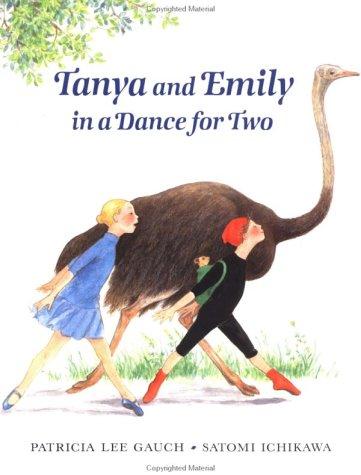
The Brave Little Parrot
A single Jataka tale — the Buddha as a parrot, flying back and forth to a burning forest with droplets of water on his wings — rendered as a picture book by one of the strongest folktale retellers writing in English.
- 9
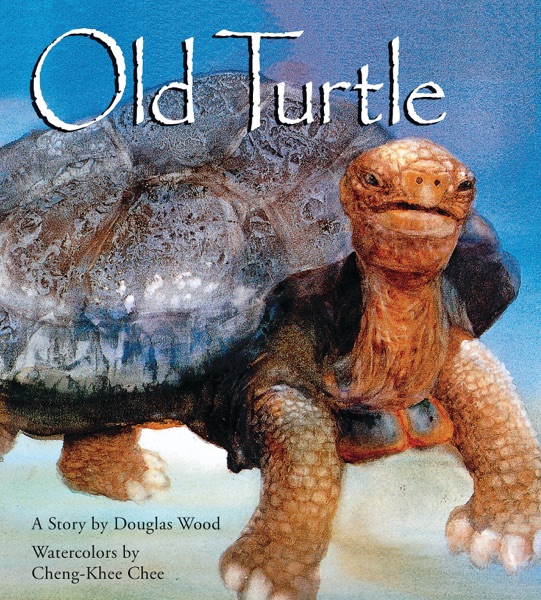
Old Turtle
A picture book parable in which the natural creatures of the world argue about who and what God is — each insisting that God is like them — until Old Turtle intervenes. ABA Book of the Year, 1992. One of the most quietly enduring spiritual picture books of the last forty years.
- 10
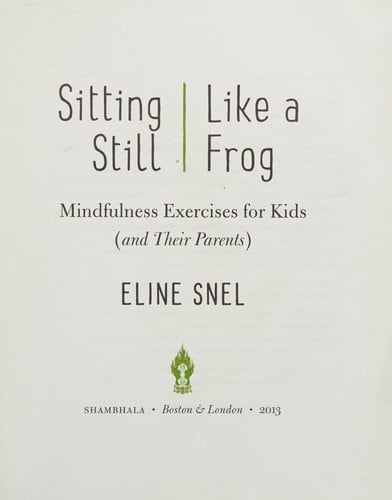
Sitting Still Like a Frog
The genre-defining children's mindfulness book, by a Dutch educator working in the secular-mindfulness lineage of Jon Kabat-Zinn. Over a million copies sold worldwide. The book parents actually use, not the book parents buy and shelve.
- 11
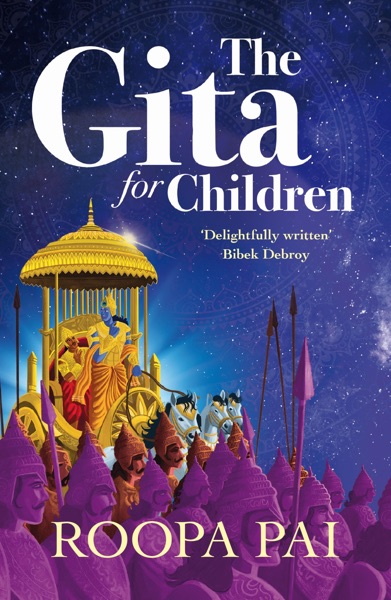
The Gita for Children
An audacious, warm, conversational retelling of the entire Bhagavad Gita for middle-grade readers — and secretly for anyone who has ever found the Gita intimidating. Pai walks the reader through all 18 chapters in plain English, with asides, footnotes, and jokes, and refuses to dumb it down. A bestseller in India and a quiet revolution in religious-text education.
- 12
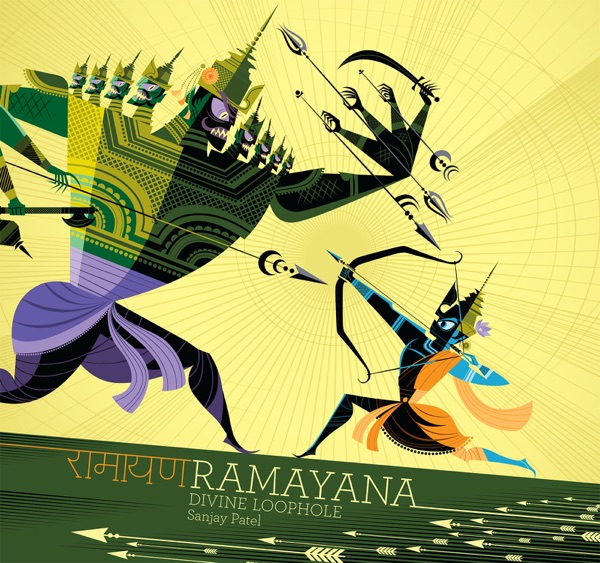
Ramayana: Divine Loophole
A Pixar art director's gorgeous full retelling of the Ramayana in his unmistakable neon-pop visual language. 150-plus original paintings, an end-paper deity guide, and a story told straight without academic apology. The most beautiful Ramayana in English for children.
- 13
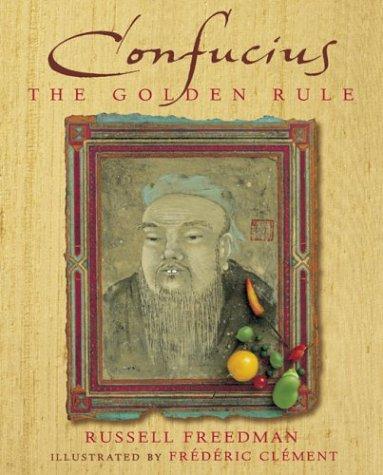
Confucius: The Golden Rule
The Newbery-winning biographer Russell Freedman tells the story of Confucius — his wandering, his teaching, his frustrations, and his enduring single rule — in a 48-page illustrated biography. Frédéric Clément's atmospheric paintings bring 6th-century BCE China to life without exoticizing it. A clear-eyed, respectful introduction to a figure most Western children meet only as a punchline.
- 14
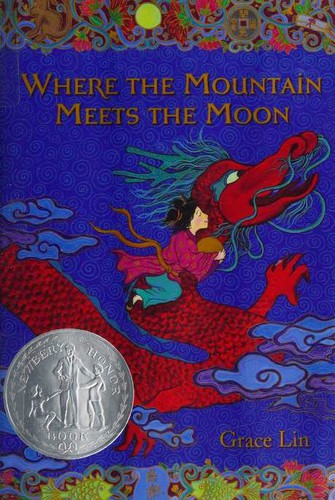
Where the Mountain Meets the Moon
A middle-grade novel that braids a dozen Chinese folktales into a single hero's journey. A girl named Minli leaves her village to find the Old Man of the Moon and ask him to change her family's fortune. Newbery Honor, beautifully illustrated by the author, and the best chapter-book entry on the Library list to Chinese folklore.
- 15
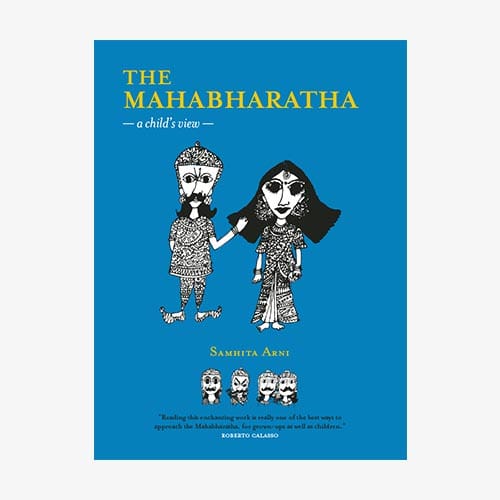
The Mahabharatha: A Child's View
The Mahabharata retold and illustrated by Samhita Arni, who began it at the age of eight and finished it as a child. A complete child's-eye account of the whole epic — direct, unsentimental, with her own line drawings and no adult hand smoothing it over. Published by Tara Books; admired by Roberto Calasso.


