Reading list
The Best Chinese Folktales and Picture Books for Kids
Seven hand-picked children's books drawn from Chinese folklore, Daoist sensibility, and contemporary Chinese-American family life — from board-book-age to a Newbery-honor middle-grade novel.
The Chinese folktale tradition in English-language children’s publishing is anchored by a small set of genuinely great books — most of them now thirty or more years old — that nobody has quite managed to replace. Ed Young’s Lon Po Po won the Caldecott Medal in 1990 and remains the strongest single Chinese picture book in any English-speaking library. Demi’s The Empty Pot and The Stonecutter, from the same era, are the picture-book versions of two of the most quoted Daoist parables. And Grace Lin’s Where the Mountain Meets the Moon, the most recent entry on this list, is the chapter book that proved English-language children’s fantasy could be rooted in Chinese folktale tradition without losing either accessibility or specificity.
The six books on this list cover the ground a household actually needs: a Caldecott (Lon Po Po), a Daoist contentment parable (The Stonecutter), a Daoist honesty parable (The Empty Pot), a Chinese-Cinderella story (Yeh-Shen), the Chinese zodiac origin (The Great Race), and a middle-grade novel that ties them all together (Where the Mountain Meets the Moon).
A household with a 4-year-old should start with The Empty Pot and The Great Race — both bright, both short, both genuinely warm. A household with a 7-year-old can comfortably handle the entire picture-book set. Where the Mountain Meets the Moon is the gift for an 8–10 year old who has read everything else on this list and is ready for a longer story that uses all of these folktales as its raw material.
- 1
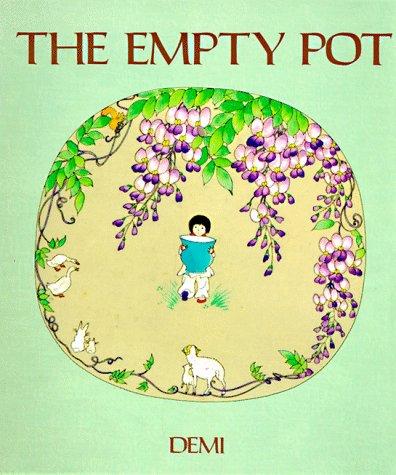
The Empty Pot
A traditional Chinese folktale, retold and illustrated by Demi in luminous gold and pastel. An aging emperor announces he will choose his successor by giving each child in the kingdom a single seed and asking them to bring back what they have grown in a year. Ping plants his and waters it faithfully, but nothing comes up. The story turns on what he does next.
- 2
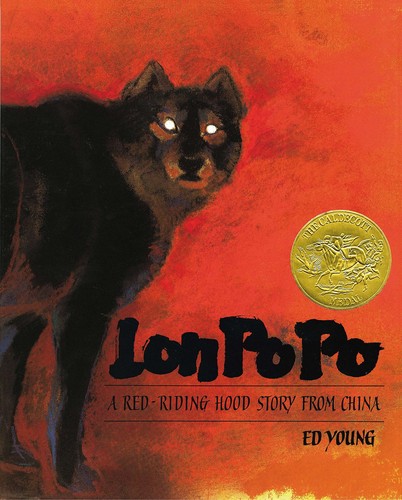
Lon Po Po: A Red-Riding Hood Story from China
Ed Young's Caldecott Medal-winning retelling of a Chinese folktale that is older and stranger than the European Red Riding Hood. Three sisters home alone meet a wolf at the door who claims to be their grandmother. Ink, pastel, and watercolour panels in the style of Chinese landscape painting.
- 3
The Stonecutter
A traditional Chinese (and Japanese) tale of a poor stonecutter who is granted his every wish to become something greater, and each thing he becomes is in turn humbled by the next. Demi's gold-leaf illustrations and the spare moral arc make this the cleanest Daoist parable on the Library list for the youngest children.
- 4
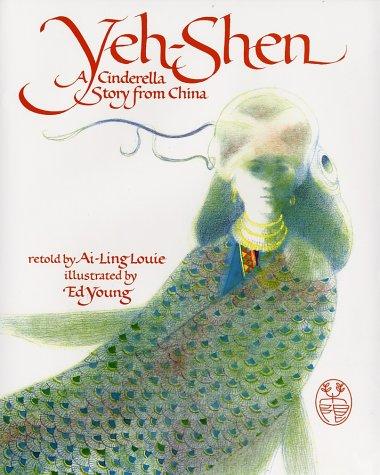
Yeh-Shen: A Cinderella Story from China
The Chinese Cinderella — actually nine centuries older than the European version, recorded in a 9th-century Tang manuscript. Ai-Ling Louie retells the source faithfully and Ed Young illustrates in ink-and-pastel panels, six years before he won the Caldecott for Lon Po Po.
- 5
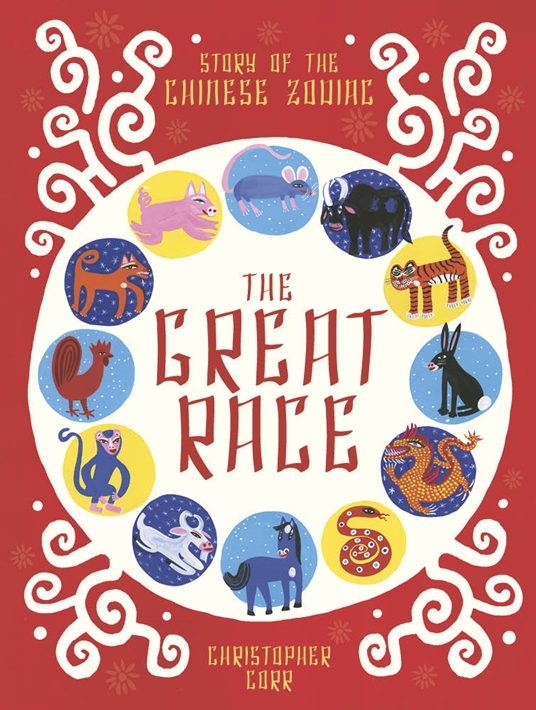
The Great Race: The Story of the Chinese Zodiac
Christopher Corr's brilliantly colourful picture-book retelling of the origin of the Chinese zodiac — the race the Jade Emperor held among the animals to decide the order of the calendar years. The single best zodiac-origin book in English for a child.
- 6
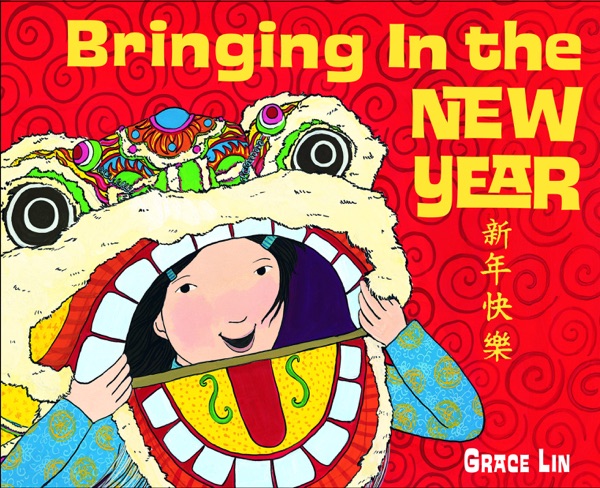
Bringing in the New Year
Grace Lin's bright picture book of a Chinese-American family preparing for and celebrating Chinese New Year — cleaning the house, hanging decorations, the family dinner, the lion dance, the firecrackers. The contemporary lived-experience companion to The Great Race.
- 7
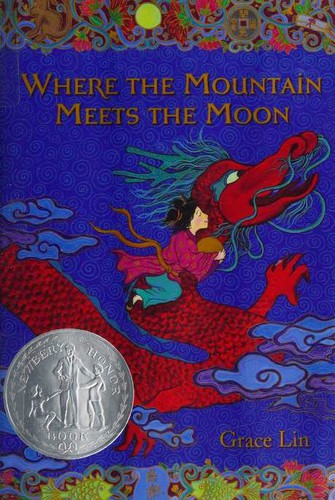
Where the Mountain Meets the Moon
A middle-grade novel that braids a dozen Chinese folktales into a single hero's journey. A girl named Minli leaves her village to find the Old Man of the Moon and ask him to change her family's fortune. Newbery Honor, beautifully illustrated by the author, and the best chapter-book entry on the Library list to Chinese folklore.


